Auto Safe

Turnstile Gate Systems Explained Types Benefits and How to Choose the Right Solution

Turnstile Gate Systems Explained: Types, Benefits, and How to Choose the Right Solution

Turnstile Gate Systems Explained: Types, Benefits, and How to Choose the Right Solution Introduction Controlling access to a building is no longer limited to locking doors or employing security personnel. Modern commercial buildings, industrial facilities, hospitals, universities, corporate headquarters, and critical infrastructure all require secure and efficient methods for managing pedestrian access. Turnstile gate systems have become an essential part of physical security by ensuring that only authorized individuals can enter a facility while maintaining an organized flow of people. When integrated with access control systems, they provide an effective balance between security, operational efficiency, and user convenience. However, not every turnstile is designed for the same environment. Factors such as pedestrian traffic, accessibility requirements, security level, installation location, and long-term durability all influence the most suitable solution. In this guide, we’ll explain what turnstile gate systems are, their key benefits, the different types available, the technical differences between products, and how to choose the right solution for your project. What Is a Turnstile Gate System? A turnstile gate system is a physical entrance control solution that allows one person to pass at a time after successful authorization. Unlike traditional doors or gates, turnstiles create a controlled passage that helps prevent unauthorized access while recording and managing entry events. Modern turnstiles are commonly integrated with access control platforms, allowing users to gain entry through RFID cards, fingerprint readers, facial recognition terminals, QR codes, mobile credentials, or visitor management systems. This integration enables organizations to automate access permissions, monitor movement, and improve overall site security. Whether installed at a corporate office, factory, hospital, or industrial facility, turnstiles act as the first physical layer of security before individuals enter sensitive areas. Benefits of Turnstile Gate Systems Improved Security One of the primary advantages of turnstile systems is their ability to restrict access to authorized personnel only. By allowing controlled one-person passage, they significantly reduce unauthorized entry, tailgating, and security breaches while creating a safer environment for employees and visitors. Better Pedestrian Flow Busy entrances often experience congestion during shift changes, office hours, or public events. Turnstiles organize pedestrian movement into a controlled flow, reducing bottlenecks and improving the overall entry experience. Reduced Operational Costs Automated entrance control reduces the need for continuous manual supervision at access points. Security personnel can focus on monitoring and incident response rather than manually checking every individual entering the facility. Visitor Management Integration Many organizations integrate turnstiles with visitor management platforms to issue temporary credentials for contractors, guests, and suppliers. This improves visitor tracking while ensuring that temporary access permissions remain controlled and auditable. Types of Turnstile Gate Systems Different facilities require different entrance control solutions. Selecting the appropriate type depends on security requirements, available space, expected pedestrian traffic, and accessibility needs. Type Security Level Accessibility Typical Applications Tripod Turnstile Medium Limited Factories, warehouses, staff entrances Flap Barrier High Good Office buildings, universities, business centers Swing Barrier High Excellent Hospitals, hotels, airports, VIP entrances Full-Height Turnstile Very High Limited Data centers, power plants, industrial compounds Tripod Turnstiles Tripod turnstiles are among the most widely used entrance control solutions due to their durability and cost-effectiveness. They are particularly suitable for industrial facilities, factories, construction sites, and employee entrances where high pedestrian throughput is required and aesthetics are not the primary concern. Flap Barriers Flap barriers combine security with a modern appearance, making them popular in commercial buildings and corporate environments. Their faster passage speed and sleek design provide an excellent balance between security, convenience, and architectural aesthetics. Swing Barriers Swing barriers are designed for facilities where accessibility is essential. Their wider opening accommodates wheelchairs, luggage, trolleys, and medical equipment, making them an ideal choice for hospitals, hotels, airports, and premium office buildings. Full-Height Turnstiles Full-height turnstiles provide the highest level of pedestrian access security by preventing individuals from climbing over or bypassing the entrance. They are commonly installed in outdoor or unmanned environments such as power plants, data centers, utility facilities, and industrial compounds. Technical Differences Between Turnstile Brands Although many turnstiles appear similar at first glance, significant engineering differences exist between entry-level and professional-grade products. One important consideration is the thickness of the stainless-steel housing. Entry-level models typically use thinner stainless steel, making them suitable for indoor installations with moderate traffic. Heavy-duty models often feature thicker stainless-steel construction, providing greater durability and resistance to harsh environmental conditions. Another critical factor is the Mean Cycles Between Failures (MCBF), which measures the expected mechanical lifetime of the turnstile. Depending on the manufacturer, commercial turnstiles may be rated anywhere from one million to more than ten million operating cycles. High-traffic facilities should prioritize products with higher cycle ratings to minimize maintenance and maximize long-term reliability. Motor technology also differs between manufacturers. Many entry-level products utilize conventional brushed motors, while premium international brands often employ brushless motors. Brushless technology provides smoother operation, lower noise levels, reduced maintenance requirements, and a longer operational lifespan, making it an excellent choice for demanding commercial environments. In addition, organizations should evaluate integration capabilities. Modern turnstiles should seamlessly integrate with access control systems, biometric readers, visitor management software, QR code solutions, mobile credentials, and other security platforms to support future expansion and operational flexibility. How to Choose the Right Turnstile Choosing the correct turnstile depends on the operational requirements of the facility rather than appearance alone. Choose a Tripod Turnstile if: Cost efficiency is the highest priority. The installation is in a factory, warehouse, or staff entrance. Large numbers of employees pass through daily. Choose a Flap Barrier if: You want a modern corporate appearance. The installation is in an office building or commercial facility. You need a balance between security and aesthetics. Choose a Swing Barrier if: Wheelchair accessibility is required. Users frequently carry luggage, carts, or equipment. Visitor comfort and premium presentation are important. Choose a Full-Height Turnstile if: Maximum security is required. The installation is outdoors. Preventing unauthorized entry is critical. The site operates continuously with minimal supervision. Frequently Asked Questions What is the purpose of a turnstile gate system? A turnstile

Turnstile Gate Systems Explained: Types, Benefits, and How to Choose the Right Solution Read More »

Gemini Generated Image yn5gabyn5gabyn5g

Data Center Infrastructure: The Backbone of Modern Digital Operations

Data Center Infrastructure: The Backbone of Modern Digital Operations Introduction Modern businesses rely heavily on digital systems, cloud applications, and continuous data exchange. Behind all of this lies a critical environment that makes it possible: the data center. A data center is not simply a room filled with servers. It is a carefully designed infrastructure that ensures data is processed, stored, and delivered with maximum reliability, security, and efficiency. Understanding how this infrastructure works is essential for any organization that depends on IT systems to operate and grow. What Data Center Infrastructure Really Means Data center infrastructure refers to all the physical and technical systems that support IT operations inside a controlled facility. It brings together power, cooling, networking, security, and structured cabling into one integrated environment. The goal is simple: keep systems running continuously without interruption, regardless of external conditions or load demands. How the System Works as One Unit Inside a data center, every component depends on the others. Servers alone cannot function without stable power. Networks cannot operate efficiently without proper cabling. And none of it can survive without controlled temperature and strict physical security. The structured cabling system forms the communication layer that connects all equipment. It allows data to move between servers, storage units, and external networks in a stable and organized way. On top of this, the network infrastructure manages how data is routed and delivered. Switches, routers, and security devices work together to ensure that information flows quickly and securely, both inside and outside the facility. Power and Cooling: The Hidden Foundation One of the most critical aspects of any data center is its ability to remain operational without interruption. Power systems are designed with redundancy to ensure that even if the main supply fails, backup systems immediately take over. This prevents downtime and protects sensitive data from corruption or loss. Equally important is cooling. Servers generate a significant amount of heat during operation, and without precise temperature control, system performance can quickly degrade. That is why data centers rely on advanced cooling strategies that maintain a stable environment around the clock. Security and Protection Because data centers hold sensitive and mission-critical information, security is treated as a core design principle rather than an add-on feature. Physical access is tightly controlled using access control systems, surveillance cameras, and monitored entry points. In addition, fire detection and suppression systems are designed specifically to protect equipment without causing damage, using clean and safe extinguishing agents instead of traditional methods. Why It Matters for Businesses A properly designed data center infrastructure directly impacts business continuity. It ensures that applications remain available, data is protected, and operations continue without disruption. For modern organizations, even a few minutes of downtime can result in financial loss, operational delays, and reduced customer trust. This is why infrastructure design is not just a technical concern, but a business-critical decision. Conclusion Data center infrastructure is the silent engine behind every digital service we use today. It combines power, cooling, networking, and security into one highly controlled environment that ensures performance and reliability at scale. As businesses continue to grow and depend more on digital systems, the importance of well-designed infrastructure becomes even more critical. Explore More Insights Digital Transformation in Egypt | System Integration Solutions October 10, 2026 | by Auto Safe Digital Transformation in Egypt: The Role of System Integration and Smart Building Technologies Digital transformation is changing how organizations operate,… Read More → Smart Hypermarket Security & System Integration: AI CCTV, Access Control, Fire Alarm and AV Solutions September 17, 2026 | by Auto Safe Smart Hypermarket Security & System Integration: AI CCTV, Access Control, Fire Alarm and AV Solutions Modern hypermarkets require more than… Read More → QR Code Turnstile Gates: Complete Guide to QR Access Control in Egypt September 8, 2026 | by Auto Safe QR Code Turnstile Gates: Complete Guide to QR Access Control in Egypt What Is a QR Code Turnstile Gate? A… Read More →

Data Center Infrastructure: The Backbone of Modern Digital Operations Read More »

Data Network Infrastructure for Commercial Buildings What Every Project Team Should Know

Data Network Infrastructure for Commercial Buildings: What Every Project Team Should Know

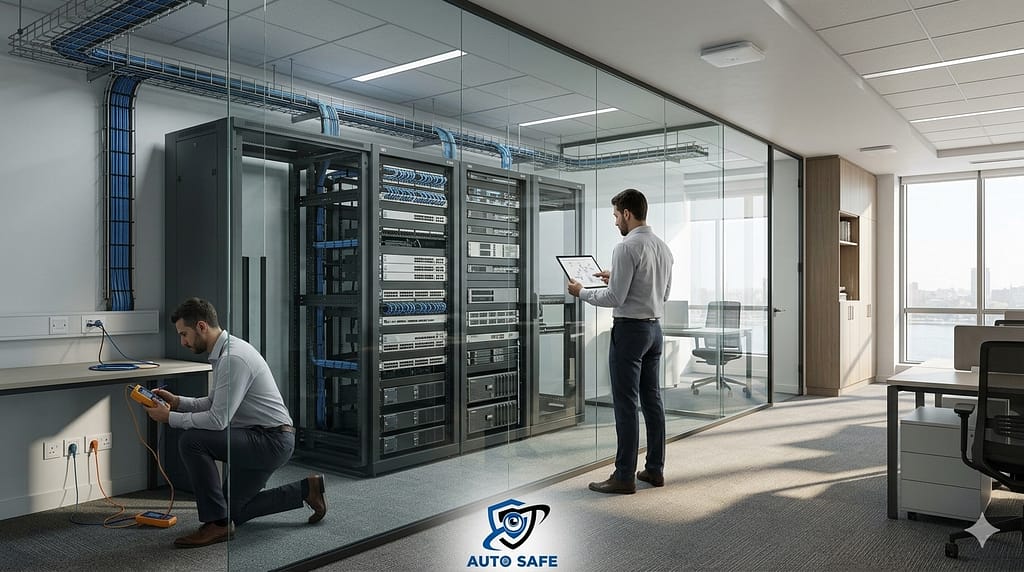
Data Network Infrastructure for Commercial Buildings: What Every Project Team Should Know Introduction Every modern organization depends on its network. From cloud applications and VoIP communications to CCTV surveillance systems, access control platforms, public address solutions, and business-critical software, virtually every operational process relies on a stable and secure network infrastructure. As commercial buildings become increasingly connected, network infrastructure is no longer viewed as an IT requirement alone. It has become a core building service that directly impacts productivity, security, user experience, and business continuity. Unfortunately, many projects focus on selecting network equipment without fully considering the infrastructure that supports it. A well-designed network requires much more than switches and internet connectivity. It involves careful planning of structured cabling, network architecture, redundancy, security, scalability, and future technology requirements. In this guide, we explore the key components of data network infrastructure and the factors organizations should consider when designing networks for commercial buildings. What Is Data Network Infrastructure? Data network infrastructure refers to the physical and logical components that enable devices, users, and systems to communicate across an organization. It includes the cabling infrastructure, network devices, software configurations, and supporting systems that work together to deliver reliable connectivity. A complete network infrastructure typically supports: Internet access Internal communications Business applications Cloud services CCTV systems Access control systems Public address systems Audio visual platforms Wireless networks Data center operations Without a properly designed network, even the most advanced technologies may experience performance limitations, security vulnerabilities, or operational disruptions. The Relationship Between Structured Cabling and Network Infrastructure A common misconception is that network infrastructure consists only of active devices such as switches and routers. In reality, every network begins with a reliable structured cabling system. Structured cabling provides the physical foundation that allows devices and applications to communicate efficiently. Poor cabling infrastructure can negatively affect network performance regardless of how advanced the active equipment may be. For this reason, organizations planning new commercial buildings should consider network infrastructure and structured cabling as complementary components of the same technology ecosystem. Key Components of a Commercial Data Network Core Layer The core layer functions as the backbone of the network and is responsible for handling high-speed traffic between different areas of the infrastructure. Core switches are typically installed within the main equipment room or data center. Distribution Layer The distribution layer aggregates traffic from access switches and applies policies related to routing, segmentation, and security. This layer helps organize network traffic and improve performance. Access Layer The access layer connects end-user devices to the network. Examples include: Computers Printers IP Phones Wireless Access Points CCTV Cameras Access Control Devices Structured Cabling Infrastructure The structured cabling system connects all network devices and serves as the physical pathway through which data travels. Most commercial projects use a combination of Cat6A copper cabling and fiber optic backbone infrastructure. Wireless Network Infrastructure Wireless access points provide mobility and flexibility for users while supporting modern workplace requirements. A properly designed wireless network should complement the wired infrastructure rather than replace it. Network Topologies Explained Network topology describes how devices are connected and how data flows throughout the network. Star Topology The most common design in commercial buildings. All devices connect to a central switch, making troubleshooting and management easier. Hierarchical Topology Often referred to as a Core-Distribution-Access architecture. This approach provides scalability and is widely used in medium and large commercial facilities. Redundant Topology Critical facilities such as hospitals, data centers, and financial institutions often implement redundant network paths to improve availability and minimize downtime. Design Considerations for Commercial Buildings A successful network infrastructure should support both current and future operational requirements. Scalability Organizations should design networks with sufficient capacity to accommodate future growth. Adding new users, systems, and devices should not require major infrastructure modifications. Reliability Downtime can affect business operations, security systems, and communications. Redundant links, backup power systems, and resilient network architecture can significantly improve reliability. Security Cybersecurity considerations should be incorporated into network design from the beginning. Network segmentation, firewalls, access controls, and monitoring tools all contribute to a secure environment. Performance Network performance requirements vary depending on the applications being supported. Video surveillance systems, cloud services, and unified communications platforms often require higher bandwidth and lower latency. Manageability A centralized management approach simplifies monitoring, troubleshooting, and future expansion activities. Common Network Infrastructure Mistakes Many organizations encounter operational challenges due to avoidable design decisions. Underestimating Future Bandwidth Requirements Today’s network requirements may be significantly different from future demands. Infrastructure should be designed with growth in mind. Ignoring Physical Infrastructure Network performance depends heavily on the quality of the structured cabling system supporting it. Lack of Redundancy Single points of failure can create unnecessary business risks. Poor Documentation Accurate documentation is essential for maintenance, troubleshooting, and future upgrades. Inadequate Network Segmentation Separating business applications, security systems, guest networks, and operational technologies improves both security and performance. How Network Infrastructure Supports Building Technologies Modern commercial buildings rely on integrated technology environments. Data networks provide connectivity for: CCTV Surveillance Systems IP cameras, video management platforms, storage systems, and monitoring workstations all depend on network infrastructure. Access Control Systems Readers, controllers, management servers, and monitoring software communicate through the network. Public Address Systems Many modern public address and voice evacuation systems utilize IP-based communication. Audio Visual Solutions Meeting rooms, conference facilities, digital signage, and collaboration platforms require stable network connectivity. Data Centers and Server Rooms The network acts as the communication layer connecting servers, storage platforms, users, and business applications. As technology adoption increases, network infrastructure becomes one of the most important assets within a building. FAQ What is data network infrastructure? Data network infrastructure consists of the physical and logical components that enable communication between users, devices, applications, and systems. What is the difference between network infrastructure and structured cabling? Structured cabling refers to the physical cabling environment, while network infrastructure includes both the cabling and active devices such as switches, routers, and wireless systems. Why is network redundancy important? Redundancy helps reduce downtime by providing alternative communication

Data Network Infrastructure for Commercial Buildings: What Every Project Team Should Know Read More »

Structured Cabling Systems Explained The Foundation of Every Modern Commercial Building

Structured Cabling Systems Explained: The Foundation of Every Modern Commercial Building

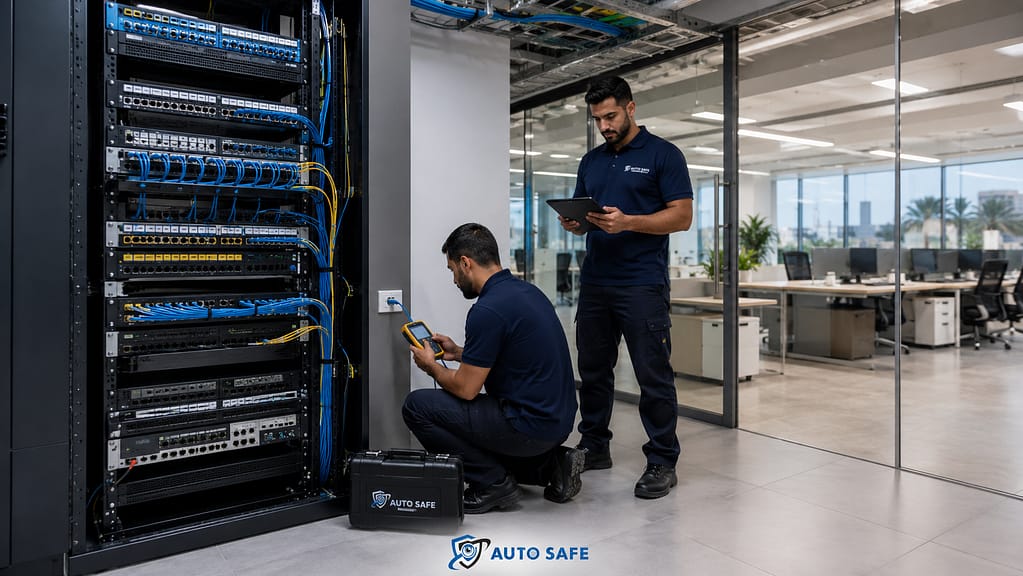
Structured Cabling Systems Explained: The Foundation of Every Modern Commercial Building Introduction Modern commercial buildings rely on technology more than ever before. Whether it is an office tower, hospital, hotel, educational facility, retail development, or mixed-use project, organizations depend on a growing number of interconnected systems to support daily operations. Data networks, CCTV surveillance, access control systems, public address solutions, IP telephony, audio visual systems, wireless connectivity, and data centers all play a critical role in modern facilities. However, the performance of these technologies depends on one often-overlooked element: the structured cabling infrastructure. A structured cabling system forms the foundation that enables communication between devices, users, and applications across a building. While network switches, servers, cameras, and software frequently receive the most attention, the underlying cabling infrastructure is what allows these technologies to operate reliably and efficiently. A properly designed structured cabling system helps organizations improve network performance, simplify maintenance, reduce operational costs, and support future expansion. In contrast, poor cabling design can lead to connectivity issues, troubleshooting challenges, and costly upgrades later in a project’s lifecycle. This guide explains the fundamentals of structured cabling systems, their importance in commercial buildings, and the key considerations organizations should evaluate when planning network infrastructure projects. What Is a Structured Cabling System? A structured cabling system is a standardized telecommunications infrastructure designed to support multiple communication technologies through a unified and organized network environment. Rather than installing separate cabling for every system, structured cabling creates a common infrastructure capable of supporting data networks, internet services, IP telephony, CCTV surveillance, access control systems, public address solutions, audio visual technologies, and other building applications. This approach provides flexibility and scalability while simplifying future technology upgrades. Instead of replacing infrastructure every time new systems are introduced, organizations can utilize the existing cabling environment to support evolving business requirements. Think of structured cabling as the digital backbone of a building. Just as roads connect different parts of a city, structured cabling connects devices, systems, and users throughout a facility. Why Structured Cabling Matters in Commercial Buildings Many organizations focus on selecting high-performance network equipment while underestimating the importance of the physical infrastructure that supports it. However, even the most advanced technology platforms cannot perform effectively if the underlying cabling environment is poorly designed. Improved Reliability Structured cabling creates a stable communications environment that minimizes connectivity issues and supports continuous business operations. Proper cable routing, organization, and testing reduce the risk of network disruptions and signal degradation. Scalability for Future Growth Technology requirements rarely remain static. Businesses expand, devices increase, and bandwidth demands continue to grow. A structured cabling system allows organizations to accommodate these changes without significant infrastructure modifications. Simplified Maintenance Well-documented and properly labeled cabling systems make troubleshooting and maintenance significantly easier. Network teams can quickly identify cable paths, locate faults, and perform upgrades with minimal disruption. Enhanced Performance Network performance is heavily influenced by infrastructure quality. Structured cabling supports faster data transmission, improved reliability, and better overall system performance. Lower Long-Term Costs While structured cabling may require a higher initial investment compared to ad-hoc installations, it often delivers lower lifecycle costs through reduced maintenance requirements and easier future expansion. Main Components of a Structured Cabling System A structured cabling infrastructure typically consists of several interconnected components that work together to support building communications. Entrance Facility The entrance facility is where telecommunications services enter the building. This may include internet providers, telecommunications carriers, fiber optic connections, and external network services. Equipment Room The equipment room serves as the central hub of the network infrastructure. It typically contains core switches, routers, firewalls, servers, storage systems, and other critical communications equipment. Backbone Cabling Backbone cabling connects equipment rooms, telecommunications rooms, and major building areas. Fiber optic cabling is commonly used for backbone connections because of its high bandwidth capacity and long-distance capabilities. Telecommunications Rooms These rooms function as distribution points throughout the building, connecting users and devices to the core network infrastructure. Horizontal Cabling Horizontal cabling extends from telecommunications rooms to individual workstations, offices, meeting rooms, and endpoint devices. Cat6 and Cat6A cabling are commonly used in commercial environments. Work Area Components The work area includes network outlets, data ports, wireless access points, IP phones, computers, and other user devices connected to the structured cabling system. Copper vs Fiber Optic Cabling Selecting the appropriate cabling medium is an important decision during network infrastructure design. Feature Cat6 Cat6A Fiber Optic Typical Speed Up to 1 Gbps Up to 10 Gbps 10 Gbps and Beyond Maximum Distance 100 m 100 m Several Kilometers EMI Resistance Moderate High Excellent Future Scalability Good Very Good Excellent Installation Cost Lower Moderate Higher Typical Applications Office Workstations Enterprise Networks Backbone Infrastructure For many commercial projects, the most effective solution combines both technologies. Fiber optic cabling is commonly used for backbone infrastructure, while Cat6 or Cat6A cabling supports end-user devices and workstations. Main Components of a Fire Alarm System Structured Cabling Standards and Best Practices A structured cabling system should be designed according to recognized industry standards to ensure reliability, consistency, and long-term performance. International standards provide guidance on infrastructure design, installation practices, testing procedures, and performance requirements. Compliance with these standards helps organizations avoid common implementation issues while improving interoperability between technologies. Beyond standards compliance, successful projects rely on proper cable management, accurate documentation, comprehensive testing, and adequate planning for future expansion. These practices simplify maintenance activities and help preserve network performance throughout the lifecycle of the installation. Common Structured Cabling Mistakes Even well-funded projects can encounter infrastructure challenges due to poor planning or installation practices. Designing Only for Current Requirements One of the most common mistakes is designing a network solely around immediate needs. As businesses grow and adopt new technologies, insufficient capacity can result in expensive upgrades and operational disruptions. Poor Cable Management Messy installations make troubleshooting difficult and often increase maintenance costs. Organized cable pathways and proper labeling are essential for long-term reliability. Lack of Documentation Without accurate documentation, maintenance teams may struggle to identify cable routes, network connections, and

Structured Cabling Systems Explained: The Foundation of Every Modern Commercial Building Read More »

Fire Detection and Fire Alarm Systems Explained A Complete Guide for Commercial Projects in Egypt 2026

Fire Detection and Fire Alarm Systems Explained

Fire Detection and Fire Alarm Systems Explained: A Complete Guide for Commercial Projects in Egypt (2026) Introduction Fire safety is one of the most critical considerations in any commercial building. Whether it is an office, retail store, shopping mall, healthcare facility, educational institution, or industrial site, the ability to detect a fire quickly and notify occupants immediately can significantly reduce risks to people, assets, and business operations. While many organizations focus on firefighting equipment and emergency response procedures, early detection remains the first and most important layer of protection. A fire that is identified within its early stages can often be contained before it develops into a major incident. This is where a fire detection and fire alarm system plays a vital role. These systems are designed to identify the early signs of fire, alert building occupants, and support emergency response procedures. However, understanding how these systems work and selecting the right solution requires more than simply installing detectors throughout a building. In this guide, we explain how fire detection and fire alarm systems operate, the key components involved, common design considerations, and how businesses in Egypt can choose the right solution for their facilities. What Is a Fire Detection and Fire Alarm System? A fire detection and fire alarm system is a life safety solution designed to identify fire-related conditions and provide immediate notification to building occupants. The system continuously monitors the environment through a network of detection devices. When smoke, excessive heat, or another fire-related condition is detected, the system activates notification devices that alert occupants and support evacuation procedures. Modern systems do much more than trigger alarms. They can communicate with other building systems, provide precise incident location information, support emergency response teams, and help facility managers maintain compliance with fire safety requirements. The primary objective is simple: detect a potential fire as early as possible and provide enough warning time for occupants to respond safely. How Fire Detection and Fire Alarm Systems Work Although fire alarm systems may appear complex, their operation follows a straightforward process. Detection devices such as smoke detectors, heat detectors, or manual call points continuously monitor the environment. When a fire condition is detected, the device sends a signal to the Fire Alarm Control Panel, often referred to as the brain of the system. The control panel then processes the information and activates notification devices throughout the facility. These may include sounders, strobe lights, voice evacuation systems, or integrated building management functions. Depending on the system design, additional actions may also occur automatically. Access control doors may unlock, elevators may return to designated floors, HVAC systems may shut down to prevent smoke spread, and monitoring stations may receive alerts. This coordinated response helps protect occupants while supporting emergency procedures and minimizing damage. Main Components of a Fire Alarm System A fire alarm system consists of multiple devices working together as a single integrated solution. Fire Alarm Control Panel The control panel serves as the central processing unit of the entire system. It receives signals from field devices, evaluates system status, and controls notification and integration functions. In modern commercial facilities, the control panel also provides system diagnostics, event history, and maintenance information. Smoke Detectors Smoke detectors are among the most common fire detection devices. They are designed to identify smoke particles during the early stages of combustion, providing fast warning before temperatures become dangerous. These devices are commonly installed in offices, meeting rooms, corridors, retail areas, and general occupancy spaces. Heat Detectors Heat detectors respond to temperature increases rather than smoke particles. They are often used in environments where smoke detectors may experience unwanted activations due to dust, humidity, steam, or cooking processes. Warehouses, kitchens, mechanical rooms, and industrial facilities frequently utilize heat detection devices. Manual Call Points Manual call points allow building occupants to manually activate the fire alarm system when they discover a fire before automatic detectors respond. These devices are typically installed near exits and along evacuation routes. Sounders and Strobe Lights Notification devices provide audible and visual alerts that help occupants recognize emergency situations and begin evacuation procedures. Proper placement of these devices is essential to ensure alarms can be heard and seen throughout the facility. Smoke Detectors vs Heat Detectors Selecting the correct detector type is one of the most important decisions during system design. Factor Smoke Detector Heat Detector Detects Smoke particles Temperature increase Response Speed Faster Slower Best For Offices, retail areas, commercial spaces Kitchens, warehouses, dusty environments False Alarm Risk Higher in dusty conditions Lower Typical Application General occupancy areas Harsh operating environments Neither detector is universally better than the other. The correct choice depends on environmental conditions, operational requirements, and fire safety objectives. Conventional vs Addressable Fire Alarm Systems One of the most important decisions when designing a fire detection and fire alarm system is choosing between a conventional and an addressable architecture. Conventional systems divide a facility into zones. When an alarm occurs, the control panel identifies the affected zone but not the exact device that triggered the alarm. These systems are generally suitable for smaller facilities where simple operation and lower installation costs are priorities. Addressable systems provide significantly greater visibility and control. Every detector, call point, and field device has its own unique address within the system. When an event occurs, the control panel identifies the exact device and location. For larger commercial projects, addressable systems simplify troubleshooting, improve maintenance efficiency, and provide faster emergency response capabilities. As buildings become more complex, addressable solutions are increasingly becoming the preferred choice. Integration with Other Building Systems Modern fire alarm systems rarely operate as standalone solutions. In many commercial projects, fire detection systems are integrated with other technologies to create a coordinated life safety strategy. Access control systems may automatically unlock emergency exits during an alarm event. Public address systems can broadcast evacuation messages. Elevators can be recalled to designated floors, while HVAC systems may be controlled to reduce smoke movement throughout the building. Integration with CCTV systems also allows facility

Fire Detection and Fire Alarm Systems Explained Read More »

video surveillance security camera autosafe solutions

How to Choose the Right CCTV Service Provider in Egypt

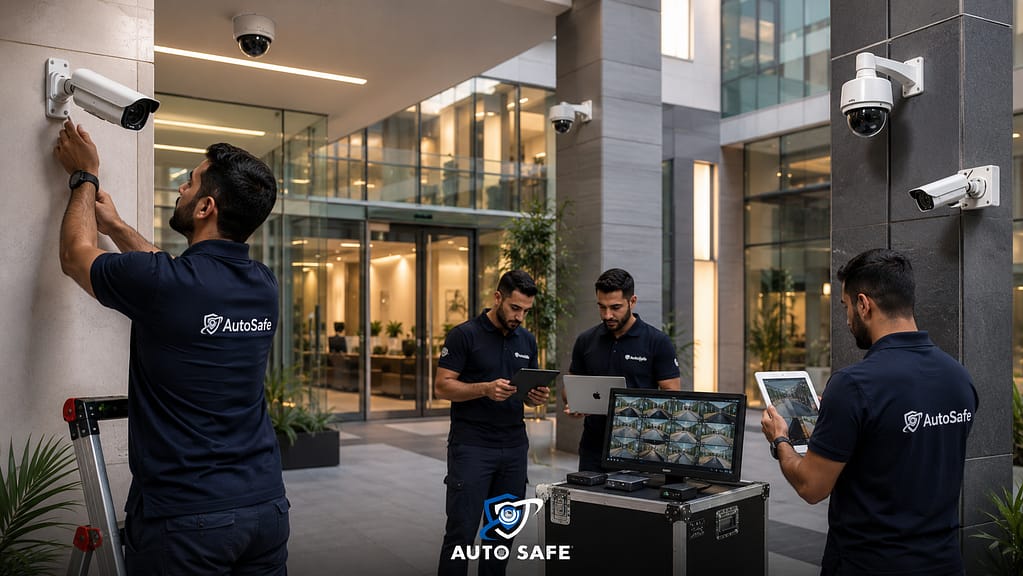
How to Choose the Right CCTV Service Provider in Egypt: A Complete Guide for Businesses and Property Owners Introduction Investing in a video surveillance security camera system is no longer simply about installing cameras around a building. Modern security video surveillance solutions help businesses improve security, monitor daily operations, protect assets, and provide reliable evidence when incidents occur. As CCTV technology continues to evolve, choosing the right cameras is only part of the equation. The company responsible for designing, installing, and supporting the system often has a greater impact on overall performance than the equipment itself. Across Egypt, businesses, offices, retail stores, warehouses, factories, healthcare facilities, and residential compounds are increasingly investing in professional surveillance systems. The challenge is not finding a company that sells cameras. The challenge is selecting a provider capable of delivering a properly engineered solution that meets both current and future security requirements. This guide explains what to look for when selecting a CCTV service provider in Egypt and how the right partner can simplify the entire process while ensuring long-term system reliability. Why Choosing the Right CCTV Provider Matters Many organizations focus heavily on camera specifications, recording resolution, or brand names while overlooking the quality of the company responsible for the project. In reality, a security video surveillance system is only as effective as its design. Camera placement, viewing angles, storage calculations, network infrastructure, lighting conditions, and future expansion planning all influence the final results. A professionally designed system ensures that every camera serves a specific security objective. Whether the goal is identification, monitoring, perimeter protection, or operational oversight, the design process determines whether the footage captured will be useful when needed. Unfortunately, many poorly designed installations only reveal their weaknesses after a security incident occurs. Blind spots, insufficient image quality, incorrect camera placement, and storage limitations often become apparent when reviewing critical footage. Choosing an experienced provider from the beginning helps avoid these costly mistakes. Start with a Company That Prioritizes Assessment and Planning A professional CCTV provider should never recommend equipment before understanding the project environment. Every facility has unique requirements. An office building differs significantly from a warehouse, retail store, shopping mall, or manufacturing facility. Security objectives, operational workflows, and environmental conditions all influence the final system design. The first step should always be a detailed site survey. During this process, the provider evaluates the layout of the facility, identifies critical areas, analyzes lighting conditions, assesses viewing distances, reviews network infrastructure, and determines storage requirements. This planning stage helps ensure that cameras are positioned strategically rather than installed simply to maximize quantity. In many cases, fewer properly positioned cameras provide better coverage than a larger number of poorly placed devices. A provider that invests time in planning typically delivers a more effective and scalable surveillance solution. Engineering Expertise Is More Important Than Camera Quantity One of the most common misconceptions in CCTV projects is that adding more cameras automatically improves security. Effective video surveillance security camera systems are built around design quality rather than camera count. The goal is not to install as many cameras as possible but to ensure that each camera captures meaningful and usable footage. A qualified CCTV provider understands concepts such as lens selection, pixel density, viewing angles, identification zones, detection zones, and recording retention requirements. These factors directly influence whether a system can achieve its intended purpose. For example, a camera installed at the wrong distance may record activity without providing sufficient detail to identify individuals. Similarly, incorrect lens selection can create coverage gaps despite the presence of multiple cameras. Understanding these technical considerations is essential for achieving reliable security outcomes. If you are planning a CCTV project, we recommend reading our guide on camera selection: Choosing the Right CCTV Camera Type for Your Project   What a Professional CCTV Project Process Should Look Like A well-managed CCTV project follows a structured workflow that begins long before installation starts. The process should begin with a consultation phase where the provider discusses security objectives, operational concerns, and project requirements. This is followed by a detailed site survey that evaluates coverage requirements, infrastructure considerations, and potential installation challenges. Once the assessment is complete, the provider should prepare a clear proposal outlining camera locations, equipment specifications, recording requirements, and project scope. This stage allows clients to understand exactly how the system will function before implementation begins. Installation should be carried out according to professional standards, with attention given to cable management, equipment placement, network configuration, and overall system reliability. After installation, the system should undergo thorough testing to verify recording performance, camera functionality, remote access capabilities, and storage operation. The project should conclude with user training, documentation, and ongoing support arrangements. This structured approach reduces project risks, improves quality, and creates a smoother experience for the client.   Experience Across Different Project Types Matters Not all CCTV projects are the same. A retail environment requires a different surveillance strategy than a warehouse, while an office building presents different challenges than a healthcare facility. Traffic patterns, security concerns, operating hours, and monitoring requirements vary significantly across industries. Providers with experience across multiple project types are typically better equipped to recommend practical solutions that align with operational needs rather than applying a one-size-fits-all approach. This experience also helps anticipate challenges before installation begins, reducing project delays and improving overall system performance. Common CCTV Design Mistakes That Cost Businesses Security Many security issues originate during the design phase rather than during installation. Incorrect camera placement remains one of the most common problems. Cameras may be installed too high, too far from the target area, or positioned at ineffective angles. While footage may still be recorded, the image quality may be insufficient for identification purposes. Storage planning is another frequently overlooked area. Organizations often underestimate retention requirements, resulting in recordings being overwritten sooner than expected. Lighting conditions also play a critical role in surveillance performance. A camera that performs well during daylight hours may struggle at night if environmental lighting is not properly

How to Choose the Right CCTV Service Provider in Egypt Read More »

Choosing the Right Authentication Method access control

Access Control Systems Explained: How to Choose the Right Solution for Commercial Projects

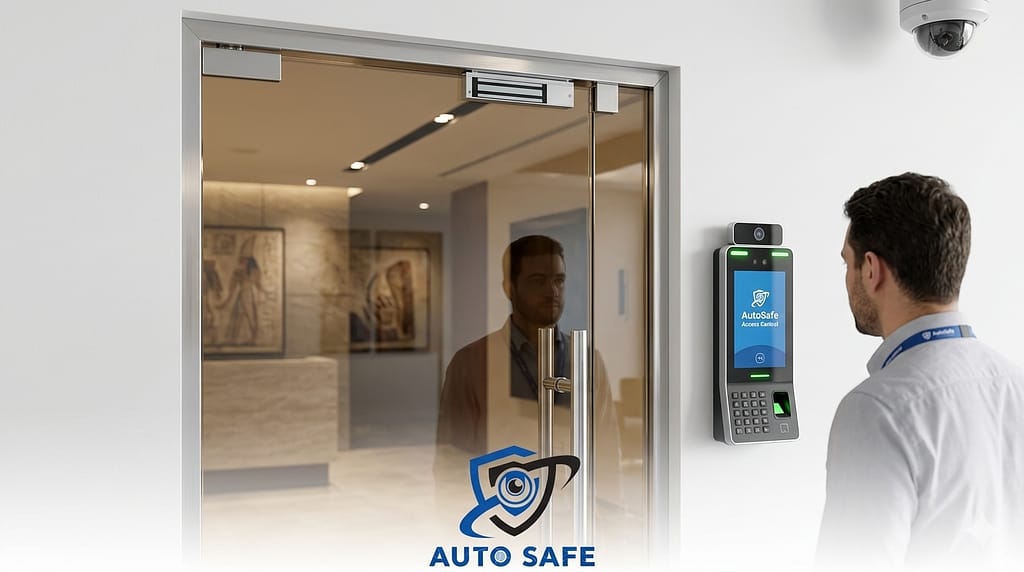
Access Control Systems Explained: How to Choose the Right Solution for Commercial Projects in Egypt (2026 Guide) Introduction Access control systems have become an essential part of modern commercial projects across Egypt. Traditional keys and manual access management are no longer practical for businesses that require higher security, controlled movement, and better operational management. Today, access control is used in office buildings, retail stores, clinics, factories, compounds, and corporate facilities to regulate who can enter specific areas and when they are allowed access. Beyond security, these systems also improve monitoring, employee management, and operational efficiency. However, choosing the right access control solution is not simply about selecting a biometric device or installing an electronic lock. The effectiveness of the system depends on proper planning, selecting the right authentication method, understanding door requirements, and deciding whether the project requires standalone or centralized management. In many commercial projects, poor system selection leads to operational issues, limited scalability, and unnecessary future costs. Understanding the technical structure of access control systems is therefore critical before implementation. What is an Access Control System? An access control system is a security and management solution used to control, monitor, and restrict movement through entrances and exits using electronic authentication methods. Instead of relying on traditional keys, users are authenticated through cards, fingerprints, facial recognition, or other technologies before access is granted. Modern access control systems are designed not only to secure facilities, but also to manage user permissions, monitor activity logs, and improve operational control within commercial environments. This becomes especially important in projects where different users require different access levels. Employees, visitors, management teams, and maintenance staff often need controlled access to specific areas based on time schedules or security policies. Main Components of an Access Control System A complete access control solution consists of multiple components working together as one integrated system. The controller is considered the brain of the system. It processes authentication requests and decides whether access should be granted or denied. In smaller systems, the controller is often built directly into the reader device itself. The reader or biometric terminal is the device users interact with during authentication. Depending on the selected technology, it may support card access, fingerprint recognition, face recognition, or iris scanning. Electric locks physically secure the door and operate based on signals received from the controller. Exit buttons are installed to allow users to leave secured areas safely from inside. Power supplies ensure continuous system operation, while management software provides centralized monitoring, reporting, and user management capabilities. Additional accessories such as door sensors and alarm systems are commonly integrated to improve monitoring and security. Door sensors provide real-time door status, while alarms can trigger notifications if a door remains open longer than allowed. Choosing the Right Authentication Method Selecting the authentication method is one of the most important decisions in any access control project. The choice affects security level, user convenience, hygiene considerations, and overall operational efficiency. Card access systems remain one of the most common and affordable solutions. They are widely used in office buildings, compounds, and clubs because they are easy to deploy and manage. However, cards can be lost, shared, or duplicated if the system is not properly secured. Fingerprint systems became popular because they eliminate the need for physical cards. They provide a practical balance between security and affordability. However, some environments prefer touchless solutions due to hygiene concerns and high user traffic. Face recognition systems have seen significant growth in Egypt in recent years. They provide faster user flow and completely touchless authentication, making them highly suitable for modern corporate environments and commercial facilities. Iris recognition technology is typically used in highly sensitive environments that require advanced security levels. Although less common, it offers extremely accurate authentication performance for restricted facilities and specialized institutions. The correct choice depends on the type of facility, expected traffic volume, security requirements, and operational workflow. Selecting the Correct Lock Type Lock selection is often underestimated during project planning, despite being one of the most important technical aspects of system reliability. Electric magnetic locks are commonly used with glass doors and modern commercial entrances. They provide strong holding force and clean installation appearance, especially in corporate environments. Electric strike locks are more commonly used with wooden or metal doors where mechanical locking integration is required. They are often preferred in environments where maintaining traditional door operation is important. Choosing the wrong lock type can result in installation complications, weak door performance, or unreliable operation. Door material, opening direction, traffic frequency, and emergency requirements must all be considered before selection. Standalone vs Centralized Access Control Systems One of the most important architectural decisions in access control design is whether to use a standalone or centralized system. Standalone systems are simpler and more affordable. In this design, the controller is integrated directly into the reader device itself. This reduces cabling complexity and simplifies installation. These systems are commonly used in small offices, shops, and limited-access environments. Centralized systems separate the controller from the reader and place it inside a secured control location. This significantly improves security and allows centralized management of multiple doors and users. Although cabling requirements become more complex, centralized systems offer greater scalability and integration capabilities. Standalone vs Centralized Access Control Comparison Factor Standalone System Centralized System Security Level Lower Higher Controller Location Built into reader Installed in secure room Cabling Complexity Simple More complex Remote Management Limited Full centralized management Scalability Limited Highly scalable Best Use Case Small offices & shops Commercial buildings & enterprises Integration Capability Basic Advanced integration with CCTV & other systems For large commercial projects, centralized systems are generally more suitable due to their flexibility and long-term scalability. Integration with Other Security Systems Modern access control systems are rarely deployed as isolated solutions. Their real value appears when integrated with other building technologies. Integration with CCTV systems allows security teams to verify access events visually and investigate incidents more effectively. Access logs can be synchronized with camera recordings for enhanced monitoring.

Access Control Systems Explained: How to Choose the Right Solution for Commercial Projects Read More »

Digital Signage in Retail Storefront

Digital Signage: How AV Technology Is Transforming Physical Marketing

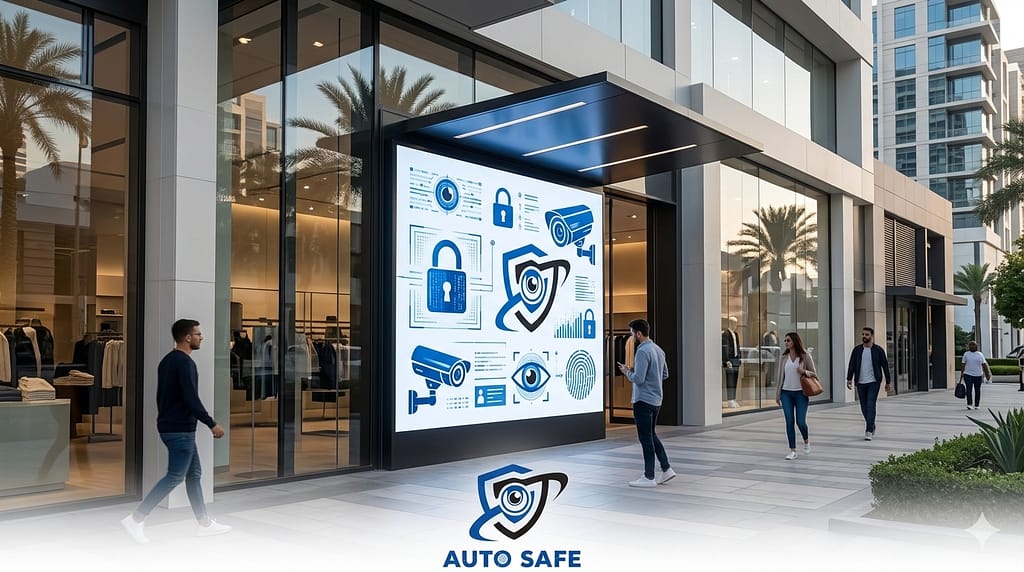
Video Walls & LED Screens: The Backbone of Modern Visual Marketing (Egypt 2026 Guide) Introduction Across retail stores, shopping malls, restaurants, and cafés in Egypt, the way brands communicate with customers is rapidly changing. Traditional printed banners and static advertisements are no longer enough to capture attention in highly competitive commercial environments. Customers today are exposed to constant visual stimuli, which means static marketing materials quickly become ignored. Businesses that rely only on printed signage often struggle to update campaigns, adapt to seasonal offers, or react to changing customer behavior. Digital signage is no longer just an upgrade in display technology. It has become a core marketing tool that allows businesses to control, update, and optimize their physical presence in real time. When implemented correctly, it transforms how brands interact with customers on ground level. The Shift from Static to Digital Marketing Traditional marketing in physical spaces has always depended on printed materials such as posters, banners, and roll-ups. While these methods are still used, they lack flexibility and responsiveness. Digital signage introduces dynamic content that can change instantly. Instead of replacing printed materials manually, businesses can update promotions, pricing, and campaigns within seconds. This speed is critical in environments like malls, where customer flow and buying behavior change throughout the day. Real-time marketing becomes possible. Morning offers can target early visitors, while evening promotions can focus on peak traffic hours. Seasonal campaigns, flash discounts, and product launches can all be managed without physical replacement. Inside malls and high-traffic retail areas in Egypt, this shift has a direct impact on customer attention. Moving visuals, videos, and changing content naturally attract more engagement compared to static displays, increasing the chances of interaction and purchase. What is Digital Signage (Beyond Just Screens) Many businesses confuse digital signage with simply installing screens. In reality, digital signage is a complete system that combines hardware, software, and content management. The hardware includes display technologies such as LED screens or commercial displays. However, the real value comes from the system behind the screen, which controls what is displayed, when it is displayed, and how it is managed across multiple locations. This is where the distinction becomes important. Screens alone are only a visual tool, while digital signage is a controlled communication platform. A business may install high-quality screens but still fail to achieve results if there is no proper content strategy or control system in place. This is why understanding the system as a whole is essential before making any investment. For a deeper understanding of display technologies and how to choose the right screen, this topic connects directly with the video walls and LED screens guide covered in our main AV planning blog. Content Control & Scheduling: The Core Advantage One of the strongest advantages of digital signage is centralized control. Businesses with multiple branches across Egypt can manage all their screens from a single platform without the need for on-site updates. Content can be scheduled based on time, location, or campaign requirements. For example, breakfast offers can be displayed in the morning, while promotional bundles can appear during peak hours. This level of control allows businesses to align their marketing with customer behavior. Content flexibility is another key factor. Digital signage supports videos, animations, menus, promotions, and branded visuals. This makes it easier to create engaging content that adapts to different environments. From a technical perspective, systems can be either cloud-based or locally managed. Cloud systems offer remote access and scalability, making them ideal for businesses with multiple locations. Local systems may be used for smaller setups where centralized control is not required. Choosing the right control approach depends on the project size and operational needs. Where Digital Signage Works Best in Commercial Environments Digital signage delivers the highest value when it is aligned with the business environment and customer journey. In retail stores, it is commonly used for promotions, product highlights, and storefront displays. Screens placed in shop windows attract attention from outside and help drive foot traffic into the store. In shopping malls, digital signage serves both informational and advertising purposes. It is used for wayfinding systems, brand campaigns, and large-scale promotional displays. Because malls in Egypt experience high footfall, dynamic content significantly improves visibility compared to static signage. In restaurants and cafés, digital menus have become increasingly popular. They allow businesses to update prices, highlight offers, and promote high-margin items. This not only improves customer experience but also supports upselling strategies through well-designed content. The effectiveness of digital signage in these environments depends on proper placement, content quality, and system reliability. ROI & Customer Engagement: Practical Impact Digital signage provides measurable value when compared to traditional marketing methods. Increased visibility is one of the most immediate benefits, as moving content naturally attracts more attention than static materials. Customer engagement time is also higher. People are more likely to look at dynamic screens, especially when content is relevant and well-designed. This increased interaction directly influences purchasing decisions, particularly in retail and food service environments. From a cost perspective, digital signage reduces the need for continuous printing and replacement of marketing materials. Over time, this leads to operational savings, especially for businesses that frequently update campaigns. Another key advantage is measurability. Businesses can track which content is displayed, when it is shown, and how campaigns are rotated. This allows for continuous optimization based on performance and customer response. The real value comes when digital signage is treated as a marketing system rather than just a display tool. Common Mistakes in Digital Signage Projects in Egypt Despite its advantages, many digital signage projects fail to deliver results due to common mistakes during planning and execution. Poor content design is one of the main issues. Even with high-quality screens, ineffective content reduces impact and fails to attract attention. Content must be designed specifically for screens, not reused from print materials. Screen placement is another critical factor. Installing screens in low-visibility areas or incorrect viewing angles significantly reduces effectiveness. Placement should always consider customer movement

Digital Signage: How AV Technology Is Transforming Physical Marketing Read More »

Video Wall LED Screen Mall_autosafe-eg.com

Video Walls & LED Screens: The Backbone of Modern Visual Marketing

Video Walls & LED Screens: The Backbone of Modern Visual Marketing (Egypt 2026 Guide) Introduction Video walls and LED screens have become the core visual tools used in modern commercial environments across Egypt. From retail stores and shopping malls to large-scale events, these display technologies are no longer optional. They directly influence how brands attract attention, communicate messages, and engage customers. Choosing the right type of screen is not only a technical decision. It affects visibility, content quality, installation feasibility, and overall marketing performance. Understanding the difference between video walls and LED screens is the first step toward building an effective visual strategy. Video Wall vs LED Screen: Understanding the Difference Although both technologies serve similar purposes, they are fundamentally different in structure and performance. Video walls are typically made of multiple LCD panels arranged together to form one large display. They are designed for indoor environments where high resolution and close viewing distances are required. Because of their fine pixel density, they deliver sharp and detailed images, making them suitable for controlled environments. LED screens use light-emitting diodes and are built as modular panels that can scale to almost any size. They are significantly brighter than video walls and perform better in environments with strong lighting or outdoor exposure. Their flexibility makes them ideal for large displays and dynamic installations. The choice between the two depends on the environment, viewing distance, and the type of content being displayed. Indoor vs Outdoor Applications The installation environment plays a critical role in selecting the right display technology. Indoor environments such as retail stores, malls, and corporate spaces require controlled brightness and higher resolution. In these cases, video walls or fine-pitch LED screens are typically used to ensure image clarity at close viewing distances. Outdoor environments demand high brightness and durability. Direct sunlight, dust, and weather conditions require LED screens specifically designed for outdoor use. These screens maintain visibility even under harsh lighting conditions and are built to withstand environmental factors. Using an indoor screen outdoors or vice versa leads to poor performance and reduced lifespan, regardless of the system quality. Event Screens and Temporary Installations Event screens are widely used in commercial activations, exhibitions, and seasonal campaigns. Unlike permanent installations, these setups must be flexible, fast to deploy, and reliable under varying conditions. LED screens are the preferred choice for events due to their modular design and ease of assembly. They can be installed in different sizes and configurations depending on the event requirements. However, temporary does not mean simple. Power load, structural support, and viewing angles must still be carefully planned. Poor setup can result in visibility issues or system failure during critical moments. Key Technical Factors That Affect Performance Selecting a screen based only on size or price often leads to poor results. Performance depends on several technical factors that must match the application. Pixel pitch determines the distance between LEDs and directly affects image clarity. Smaller pixel pitch provides higher resolution and is suitable for close viewing distances, while larger pixel pitch is used for large outdoor displays where viewers are farther away. Brightness is measured in nits and must match the environment. Indoor screens require moderate brightness, while outdoor screens require significantly higher levels to remain visible under sunlight. Viewing distance defines how the content will be perceived. A screen that looks sharp from far away may appear pixelated when viewed closely if the wrong specifications are used. Refresh rate and color consistency also play an important role, especially in dynamic content and video playback, ensuring smooth visuals without flickering. Comparison Between Video Walls and LED Screens Factor Video Wall LED Screen Technology LCD panels LED modules Best Environment Indoor Indoor & Outdoor Brightness Moderate High Viewing Distance Close Medium to Long Seam Visibility Visible bezels Seamless Flexibility Fixed size Highly scalable This comparison highlights that the decision should be based on application requirements rather than preference. Best Use Cases in Commercial Projects In retail environments, LED screens are often used in storefronts to capture attention from outside and drive foot traffic. Inside malls, both video walls and LED screens are used depending on the viewing distance and lighting conditions. Large displays in atriums and entrances typically rely on LED technology due to brightness and scalability. Video walls are more common in controlled indoor spaces such as showrooms or corporate environments where high resolution is required. Event setups almost exclusively depend on LED screens because of their flexibility and ease of installation. Matching the technology to the use case ensures both performance and cost efficiency. Common Mistakes in Screen Selection One of the most common mistakes is selecting screens based only on budget without considering technical requirements. This often leads to poor visibility or over-specification where unnecessary cost is added. Another issue is ignoring viewing distance and installing screens with incorrect pixel pitch. This results in either wasted resolution or poor image quality. Improper installation planning, especially for events, can lead to unstable setups or performance failures. These mistakes are avoidable when technical factors are considered early in the project. Conclusion Video walls and LED screens are essential components of modern visual marketing in commercial spaces across Egypt. Their effectiveness depends on proper selection, correct technical specifications, and early planning. Understanding the differences between these technologies allows businesses to make informed decisions that improve visibility, engagement, and overall marketing impact. At AutoSafe, we design and implement complete audio visual solutions, including video walls, LED screens, and event display systems. Our approach focuses on selecting the right technology for each environment and ensuring reliable performance in real-world commercial applications. For a broader understanding of how AV systems integrate into your project, refer to our main guide on audio visual planning for commercial spaces. Explore More Insights Digital Transformation in Egypt | System Integration Solutions October 10, 2026 | by Auto Safe Digital Transformation in Egypt: The Role of System Integration and Smart Building Technologies Digital transformation is changing how organizations operate,… Read More → Smart Hypermarket Security

Video Walls & LED Screens: The Backbone of Modern Visual Marketing Read More »

Video walls and LED screens are the main visual drivers in commercial spaces.

Audio Visual Systems You Must Plan Before Finishing Your Commercial Project (Egypt 2026 Guide)

Audio Visual Systems You Must Plan Before Finishing Your Commercial Project (Egypt 2026 Guide) Introduction In commercial projects across Egypt, audio visual systems are no longer considered an optional upgrade added after finishing. They have become a core part of the infrastructure that directly impacts marketing performance, customer experience, and daily operations. Retail stores, shopping malls, and corporate spaces now depend heavily on AV systems to deliver dynamic content and attract attention in competitive environments. When these systems are installed after finishing, the result is often compromised performance, visible installation issues, and unnecessary additional cost. Planning AV systems during the finishing stage ensures proper integration, clean execution, and long-term reliability. How Audio Visual Systems Are Transforming Physical Marketing Physical marketing has shifted from static to dynamic. Traditional banners and printed signage are no longer effective in high-traffic commercial environments where attention span is limited. Modern AV technologies allow businesses to display changing content in real time. Promotions, branding campaigns, and advertisements can be updated instantly without replacing any physical materials. This flexibility is especially important in retail environments where offers and messaging change frequently. More importantly, digital displays increase engagement. Moving visuals, brightness, and content variation naturally attract more attention compared to static materials, which directly impacts customer behavior inside the space. Core AV Systems Used in Commercial Projects A complete AV setup is built around multiple systems working together, each serving a specific function. Video Walls and LED Screens Video walls and LED screens are the main visual drivers in commercial spaces. They are used to create high-impact displays in areas where visibility and attention are critical. Video walls are typically installed indoors, where controlled lighting conditions allow for higher resolution and closer viewing distances. LED screens are more suitable for outdoor applications or areas with strong ambient lighting due to their high brightness levels. These systems are commonly used in storefronts, mall entrances, and large promotional areas where maximum visual impact is required. Digital Signage Systems Digital signage transforms screens into controlled marketing tools instead of static displays. Through centralized software, businesses can manage content across multiple screens, schedule campaigns, and update messaging remotely. This is essential for brands operating in multiple locations or running frequent promotions. Digital signage also allows better consistency in branding and faster response to market changes, making it a key component in modern retail marketing strategies. Conference Room AV Systems Conference AV systems are essential in corporate and mixed-use environments where communication and presentations are part of daily operations. A properly designed system includes display solutions, audio systems, and simple control interfaces that allow users to operate the setup without technical complexity. Poor planning in this area often leads to issues such as unclear audio, incompatible devices, and difficult system control. Event Screens and Temporary AV Solutions Event screens are used for short-term activations such as promotions, product launches, and seasonal campaigns. These setups require flexibility but still depend on proper planning. Power load, screen type, and installation method must be considered to ensure stable performance during the event. Even temporary systems can fail if basic technical requirements are ignored. Key Technical Considerations During Finishing Stage The performance of AV systems depends heavily on decisions made during the finishing phase. Power availability must be calculated based on system requirements, especially for LED screens and large displays. Insufficient power leads to instability and reduced system lifespan. Structured cabling is another critical factor. Without proper planning, cables become visible or require rework after finishing. Clean infrastructure ensures both performance and professional appearance. Network readiness is essential for systems like digital signage that rely on connectivity. Weak or unstable networks limit system capabilities and reduce efficiency. Screen placement must be based on real usage conditions. Viewing distance, customer movement, and lighting all affect how effective a screen will be. Incorrect placement reduces impact regardless of screen quality. Brightness selection must match the environment. Indoor and outdoor screens require different specifications, and choosing the wrong level results in poor visibility. Comparison Between Video Walls and LED Screens Factor Video Wall LED Screen Best Use Indoor environments Indoor & outdoor Brightness Moderate High Viewing Distance Close to medium Medium to long Installation Fixed structure Flexible (modular) Visual Impact High resolution High brightness & scalability This comparison helps in selecting the right solution based on environment and usage, rather than cost alone. Common Mistakes When AV Is Installed Too Late Many projects still treat AV systems as a final step, which leads to avoidable issues. Late installation often results in poor screen positioning, lack of proper power infrastructure, and visible cabling. In some cases, systems cannot perform as intended due to limitations in space or design. These problems increase cost and reduce the overall quality of the project, even if high-end equipment is used. Why Early AV Planning Increases Project Value Integrating AV systems early allows them to become part of the design, not an afterthought. This results in better performance, cleaner installation, and full integration between systems. It also enables businesses to use AV solutions as active marketing tools rather than passive displays. In competitive commercial environments, this difference directly affects how a space attracts and retains customers. Conclusion Audio visual systems have become a fundamental part of modern commercial projects in Egypt. Their role extends beyond display, influencing marketing effectiveness, customer engagement, and operational efficiency. Planning these systems during the finishing stage is not just a technical decision, but a strategic one that affects the long-term success of the project. At AutoSafe, we provide complete audio visual and system integration solutions tailored for commercial environments across Egypt. From design and infrastructure planning to installation and support, our approach ensures reliable performance and practical implementation in real-world conditions. Explore More Insights Digital Transformation in Egypt | System Integration Solutions October 10, 2026 | by Auto Safe Digital Transformation in Egypt: The Role of System Integration and Smart Building Technologies Digital transformation is changing how organizations operate,… Read More → Smart Hypermarket Security & System Integration: AI CCTV,

Audio Visual Systems You Must Plan Before Finishing Your Commercial Project (Egypt 2026 Guide) Read More »

We provide a wide range of Light Current solutions, considering cybersecurity requirements, applicable quality standards, and the specific needs of residential and commercial projects.

Contact

Info@autosafe-eg.com

+2 01002120709

Cairo - Egypt.

Copyright © 2026 Auto Safe. All Rights Reserved.