
Digital Transformation in Egypt | System Integration Solutions
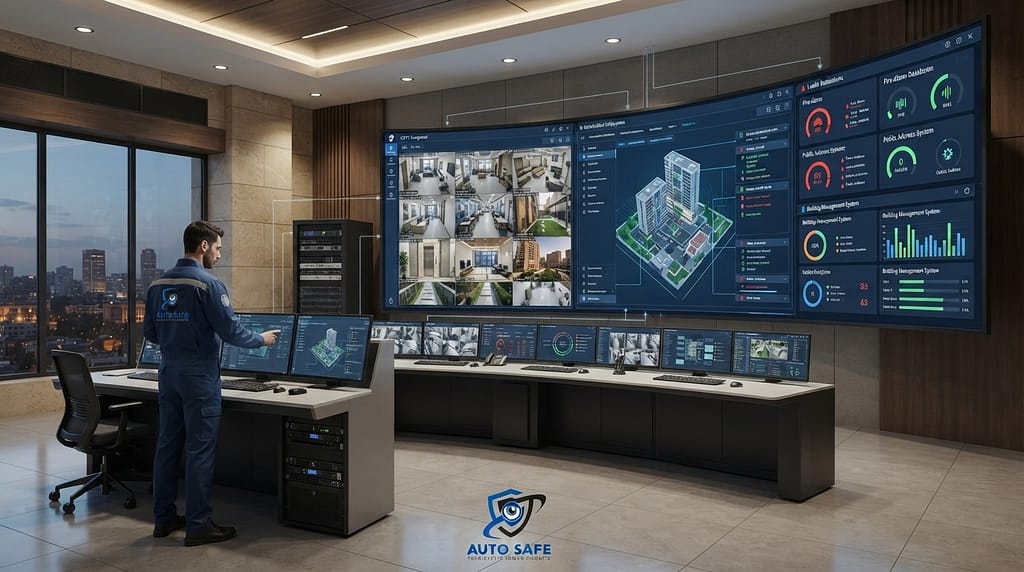
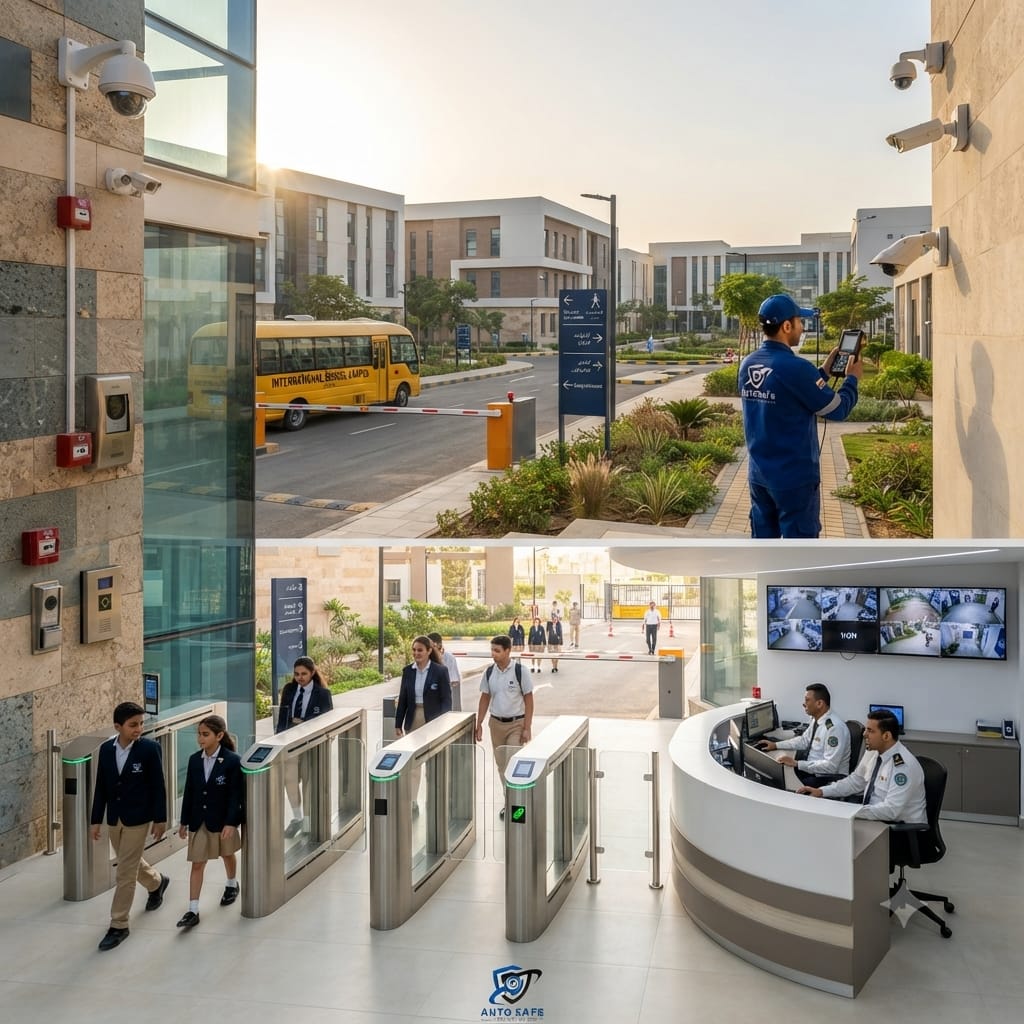
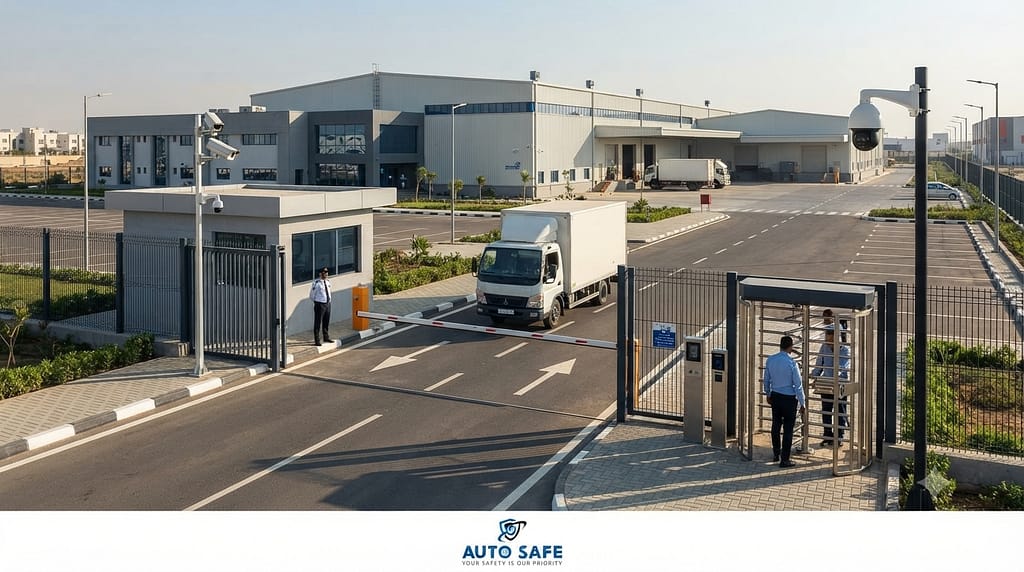
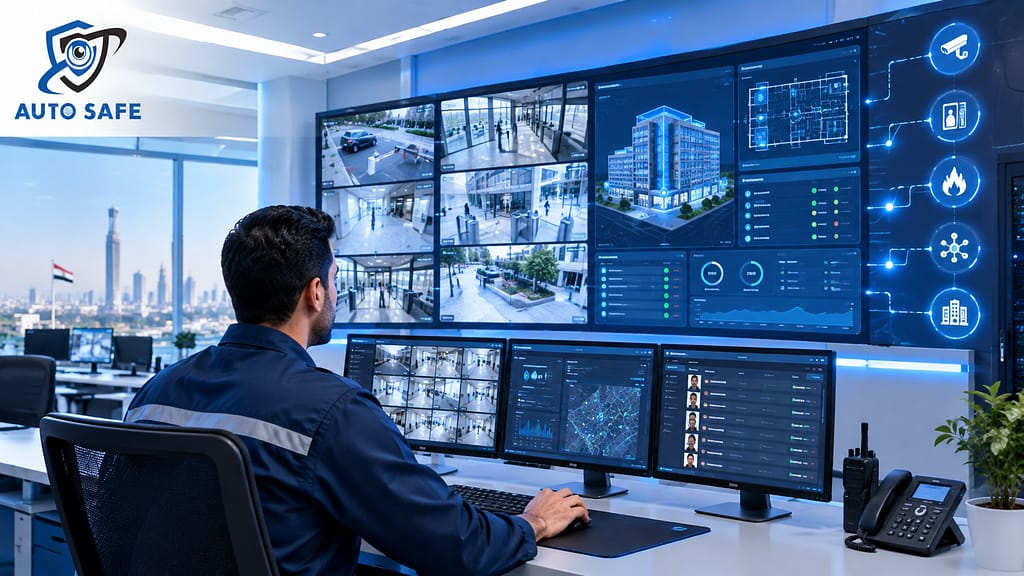
Digital Transformation in Egypt: The Role of System Integration and Smart Building Technologies Digital transformation is changing how organizations operate, manage facilities, protect assets, and deliver services. Across Egypt, commercial buildings, industrial facilities, healthcare institutions, educational campuses, and government facilities increasingly depend on connected technologies to improve operational visibility, strengthen security, and manage complex infrastructure more efficiently. However, digital transformation involves more than adopting new software or replacing traditional equipment with digital alternatives. Its real value comes from connecting technologies, information, and operational processes into a coordinated environment. This is where system integration and Light Current technologies play a critical role. Integrated CCTV, access control, fire alarm, networking, audio-visual, communication, and building management solutions can help organizations establish a more connected, manageable, and scalable infrastructure. As a professional System Integrator in Egypt, AutoSafe supports organizations in designing, supplying, installing, integrating, commissioning, and maintaining technology solutions that align with their operational and security requirements. What Is Digital Transformation in Building and Facility Management? Digital transformation is the process of using digital technologies to improve how an organization operates, manages information, makes decisions, and delivers services. In building and facility management, this often means replacing isolated systems and manual procedures with connected technologies that provide better visibility and more efficient control. For example, a facility may operate CCTV cameras, access control readers, fire alarm panels, communication systems, and network infrastructure independently. Each system may perform its intended function, but managing them separately can create operational limitations, fragmented information, and additional work for facility and IT teams. Through system integration, these technologies can exchange relevant information or operate through coordinated workflows where supported by the equipment and software. Authorized personnel can gain a clearer overview of facility operations, respond more effectively to incidents, and manage infrastructure through more organized procedures. The objective is not to connect every device to a single platform regardless of its purpose. It is to design an integrated environment in which each system performs its role effectively while supporting the wider operational requirements of the organization. Why System Integration Is Essential for Digital Transformation A successful digital transformation strategy depends on reliable infrastructure, compatible technologies, secure communication, and effective data management. Without these foundations, organizations may invest in advanced equipment without achieving its full operational value. System integration connects physical security, life-safety, communication, and network infrastructure into a coordinated technical environment. For example, an access control system can be integrated with CCTV so that authorized security personnel can associate an access event with relevant camera footage. Similarly, a fire alarm system may interface with designated emergency systems to support approved cause-and-effect sequences, subject to the fire strategy, applicable regulations, and manufacturer requirements. Network infrastructure also plays a fundamental role because IP cameras, access control platforms, video management systems, and other connected devices depend on reliable connectivity, appropriate bandwidth, and properly designed network architecture. A well-planned integration project should therefore consider system compatibility, communication protocols, cybersecurity, operational requirements, future expansion, and the procedures needed to maintain the infrastructure throughout its lifecycle. Key Technologies Driving Digital Transformation 1. Intelligent Video Surveillance and CCTV Analytics Modern CCTV systems provide more than conventional video recording. Depending on the camera capabilities and video management platform, advanced solutions can support motion detection, line crossing, intrusion detection, people counting, license plate recognition, and other video analytics functions. These capabilities can help security teams identify relevant events, investigate incidents, and monitor selected areas more efficiently. Integration with access control can provide additional context by associating authorized access events with corresponding video footage. For commercial facilities, industrial sites, campuses, and multi-building developments, centralized video management can also improve the consistency of security monitoring across different locations. The effectiveness of these functions depends on camera placement, lighting, image quality, analytics capabilities, network performance, and appropriate configuration. 2. Access Control and Smart Entry Management Access control technologies help organizations manage who can enter specific areas, when access is permitted, and which credentials are authorized. Depending on the application, solutions may include RFID cards, biometric readers, QR credentials, mobile credentials, turnstile gates, swing barriers, and vehicle access barriers. When integrated with CCTV, visitor management platforms, or license plate recognition systems, access control can become part of a broader physical security strategy. For example, an office building may use employee credentials to authorize turnstile entry, record access events, and provide security personnel with relevant video footage. An industrial facility may use vehicle identification and barrier control to manage designated entry points. These workflows help organizations establish more consistent access procedures while maintaining appropriate authorization and audit records. 3. Fire Alarm and Life-Safety Integration Fire alarm systems remain a fundamental component of facility safety. Digital transformation can improve how fire detection, emergency communication, and designated building systems coordinate during an emergency. Depending on the approved design, applicable standards, and equipment capabilities, fire alarm systems may interface with public address or voice evacuation systems, selected building controls, and centralized monitoring platforms. For example, a configured emergency sequence may activate designated audible or visual notifications and initiate approved control actions. These interfaces must be engineered and tested to ensure that the integration does not compromise the fire alarm system’s required operation or independence. Fire alarm integration should always follow the applicable regulations, approved cause-and-effect matrix, manufacturer instructions, and project-specific safety requirements. 4. Computer Networks and Data Center Infrastructure Network infrastructure is the foundation of many digital transformation initiatives. IP surveillance, access control servers, communication platforms, and centralized monitoring applications all depend on reliable connectivity and appropriate infrastructure design. Structured cabling, fiber-optic backbones, managed network switches, VLAN segmentation, server resources, storage, and data center infrastructure should be planned according to the project’s performance, availability, and security requirements. For example, a multi-building campus may require fiber-optic links between buildings, dedicated network segments for security devices, and sufficient bandwidth for centralized video recording and monitoring. A scalable network design also considers future device expansion, redundancy where required, cybersecurity controls, and the operational demands of connected applications. 5. Audio-Visual and Unified Communication Systems Digital transformation also changes how
Digital Transformation in Egypt | System Integration Solutions Read More »